
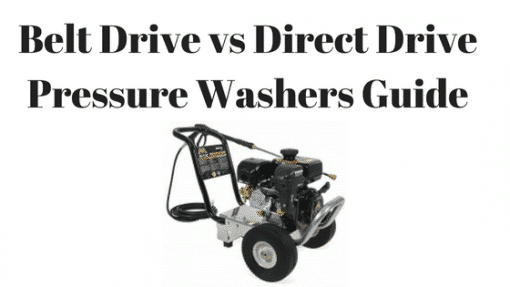
Belt VS. Diect Drive and Hot vs. Cold water
Pressure Washing: Belt Drive vs. Direct Drive & the Role of Water
When choosing a pressure washer, one key consideration is whether to go with a belt drive or direct drive system. Each has its own advantages and disadvantages, depending on the intended use and frequency of operation. Additionally, understanding the role of water in these systems is essential for optimal performance and longevity.
Belt Drive vs. Direct Drive Pressure Washers
Belt Drive Pressure Washers
Belt drive pressure washers use a system of pulleys and belts to transfer power from the motor to the pump. This design offers several advantages:
- Durability: The belt absorbs vibration and reduces the strain on the pump, leading to a longer lifespan.
- Cooler Operation: The pump operates at lower RPMs, reducing heat buildup and wear.
- Ideal for Heavy Use: Commonly used in industrial and commercial applications where the machine runs for extended periods.
- Maintenance Required: The belts need periodic adjustment and replacement over time.
However, these units are typically more expensive due to their complex design and enhanced durability.
Direct Drive Pressure Washers
Direct drive pressure washers connect the engine or motor directly to the pump, leading to a simpler and more compact design. Key features include:
- Cost-Effective: Generally more affordable than belt drive models.
- Compact & Lightweight: Easier to transport and store.
- Higher RPMs: The pump runs at the same speed as the motor, generating more heat and increasing wear.
- Best for Intermittent Use: Suitable for residential and light commercial applications, but not ideal for prolonged operation.
Because of their high RPMs, direct drive units tend to experience more vibration and wear over time compared to belt drive systems.
How Water Affects Pressure Washer Performance
Water plays a critical role in the effectiveness and longevity of a pressure washer. Several factors impact performance:
Water Quality
- Hard Water: Can cause mineral buildup in pumps, hoses, and nozzles, leading to reduced efficiency and potential damage.
- Filtered Water: Using a water filter can prevent debris and sediment from clogging the system.
Water Temperature
- Cold Water Pressure Washers: Common for residential and light-duty applications. Effective for dirt, dust, and mud removal.
- Hot Water Pressure Washers: More effective for oil, grease, and stubborn grime, often used in commercial and industrial settings.
Water Pressure & Flow Rate
- GPM (Gallons Per Minute): Determines the volume of water delivered. Higher GPM increases cleaning efficiency.
- PSI (Pounds per Square Inch): Determines the force at which water is delivered. Higher PSI is needed for tougher cleaning tasks.
Choosing the Right System for Your Needs
For professional and heavy-duty applications, a belt drive pressure washer is the better investment due to its longevity and durability. If you need a cost-effective, portable solution for occasional cleaning, a direct drive pressure washer is a great option.
Additionally, considering water quality, temperature, and pressure specifications ensures you get the best performance from your pressure washer, regardless of the drive system you choose.
By understanding the differences between belt drive and direct drive pressure washers, along with how water impacts cleaning efficiency, you can make an informed decision that best suits your cleaning needs.
SHARE ON SOCIAL MEDIA
